TAKING SUBMISSIONS FOR A NEW ESSAY COLLECTION:
Tentative title: Stepping Out: Writings on Infidelity
Editors: Susan Ostrov and Nan Bauer-Maglin
“It has been said that the only truly monogamous creature in the state of California is a particular kind of vole.” Helen Fisher, Why We Love
Romantic relationships have evolved enormously in modern society, from the broad acceptance of unmarried couples living together to an increase in polyamorous arrangements, yet infidelity has remained the bête noire of both married and unmarried couples. Before the 1970s in our part of the world, there was a marked gender gap in the rate of infidelity, i.e. many more men than women had extramarital affairs. Now, some fifty years later, the gap has almost closed: nearly as many women have affairs as men. So-called “cheating” is a popular subject in sociology, magazine articles, reality TV, and of course everyday gossip, but our collection of essays about infidelity will feature those who have personal knowledge of it, or thoughtful opinions about it.
This book will look at the subject of infidelity from many perspectives, including the viewpoints of those who have “cheated” or wanted to, as well as those who have been “cheated on.” We hope for diversity in voices, and we are open to writers of any gender, sexual orientation, age, or marital status.
To be clear, we will include infidelity in couples who are not married or even cohabiting, as well as extramarital affairs. But we will not include the topic of consensual non-monogamy (“polyamory”). It’s the secret and non-consensual nature of infidelity that hurts most.
Your personal essay may be short or long, comic or dramatic, with any perspective on the subject. That is, you may defend, condemn, or be reconciled to the role infidelity has played in your own or someone else’s life, a parent’s, for example. You may have been liberated, heartbroken, enlightened, or something else. You are welcome to use a pseudonym as an author, if you wish. We will also consider short fiction on the topic.
In addition, we invite essays from a psychological, sociological, literary-critical, or historical perspective.
Suggestions for possible topics:
How do you define infidelity? What are the limits?
Is it fair to call infidelity “cheating”?
What are the motives for infidelity?
Is infidelity different in men and women? Gay, bisexual, and straight?
How has social media facilitated infidelity?
How much should one “trust” a partner?
What is the effect of infidelity on children?
Are “emotional affairs” infidelity?
Is the regular use of pornography by one partner infidelity?
How to heal from discovering infidelity?
How is infidelity viewed differently in other nations or specific cultures?
How is infidelity represented in fiction, films, and comedy?
Please send a 1-2 page description or a first draft to BOTH Susan at weisser@adelphi.edu and Nan at Nan.Bauermaglin99@ret.gc.cuny.edu by August 31st. Be sure to include a short note about your previous writing, your profession, and any other relevant information about yourself.
Susan Ostrov is a Professor Emerita of English who has edited two collections of essays and published books on romantic love and marriage in fiction and popular culture, including The Glass Slipper: Women and Romance, as Susan Ostrov Weisser. Her most recent publication is Loveland: A Memoir of Romance and Fiction (Blackwater Press, 2024).
Nan Bauer-Maglin is a Professor Emerita who has edited or coedited ten books, several of which have looked at relationship issues of love and loss. Her most recent books are Widows’ Words: Women Write on the Experience of Grief, The First Year, The Long Haul, and Everything In Between (Rutgers University Press, May 2019) and Gray Love: Stories About Dating and New Relationships After 60 (Rutgers University Press, January 2023). Gray Love (co-edited with Daniel E. Hood) received a great deal of media recognition, e.g. in AARP publications, The Wall Street Journal, NPR’s “The Takeaway,” Ms. Magazine, and Vox’s “Today Explained.”
Latest Personal Essay:
“Mother-Daughter, Daughter-Mother”, in Two Hawks Quarterly:
My Writing Process by Susan Ostrov – Women Writers, Women’s Books
My choices for Best Books about Crazy, Obsessive, Forbidden Love: https://shepherd.com/best-books/crazy-obsessive-forbidden-love
Books
Other than LOVELAND, I have published four books, of which two are more suited to the non-academic reader:
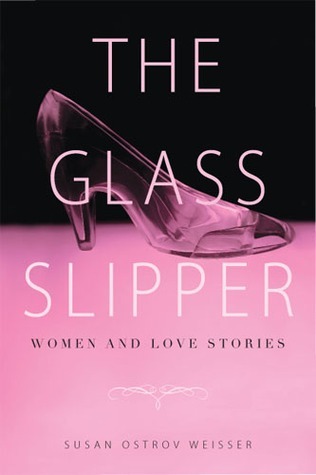
The Glass Slipper: Women and Love Stories
This book explores the idea of romance, from classic romance novels to romantic movies and popular romances, with new perspectives on women’s attraction to romance.
It made the New York Times‘ shortlist for best books about sex lives in 2013. “…After watching her female students flail in their attempts to reconcile this paradox, Weisser sets out to relate the history of the narrative they are applying to themselves and examine its limitations.” Read the full review here.
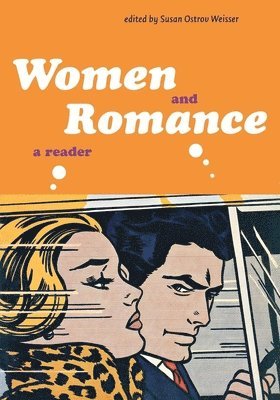
Women and Romance: A Reader
Romantic love has challenged and vexed feminist thought from its origins. Does romance weaken or empower women? Why do women seem overwhelmingly attracted to romantic love in spite of raised consciousness in other areas of life?
This book brings together a collection of texts specifically focused on the subject of women’s conflicted but powerful urge to experience the pleasure and endure the pain of romantic love. The first anthology of its kind, Women and Romance includes personal letters, theoretical essays, social science perspectives, and more.
Podcast
In 2020, I was interviewed on the podcast Think About It. I discussed whether Jane Eyre is a feminist novel, whether falling in love requires giving up one’s freedom, and how to make sense of the Carribean-born “madwoman in the attic.”
Other Essays
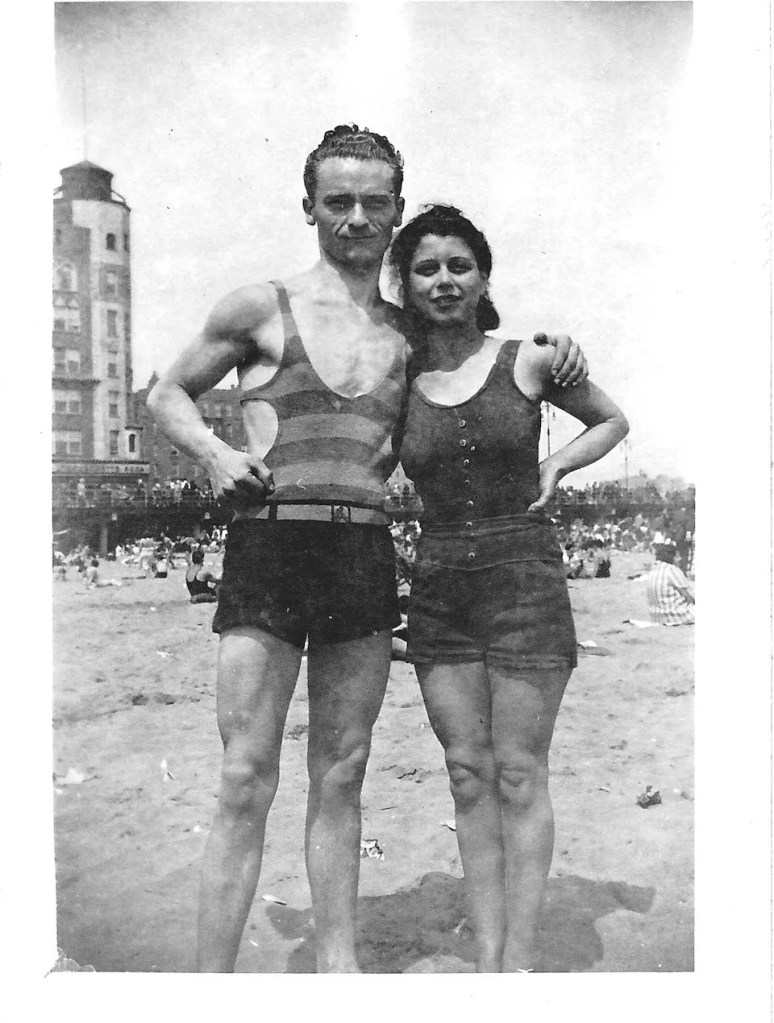
I Am My Longing
Published in Memoir Magazine
“Long ago, in the gloomy and chaotic years of the Great Depression, Betty and Al saw one another in Brighton Beach, Brooklyn, and fell in love. Once they leaned on each other for their dreams. I have this straight from that enemy of romantic love, Betty herself…”

Loneliness, Emptiness and Wordsworth’s ‘Bliss of Solitude’
Published in Loneliness and Longing: Psychoanalytic Reflections
“Sometimes I think I was born lonely. I first remember loneliness when I was very young, as an emptiness that could be filled up from outside me, a scared shivery awareness…”
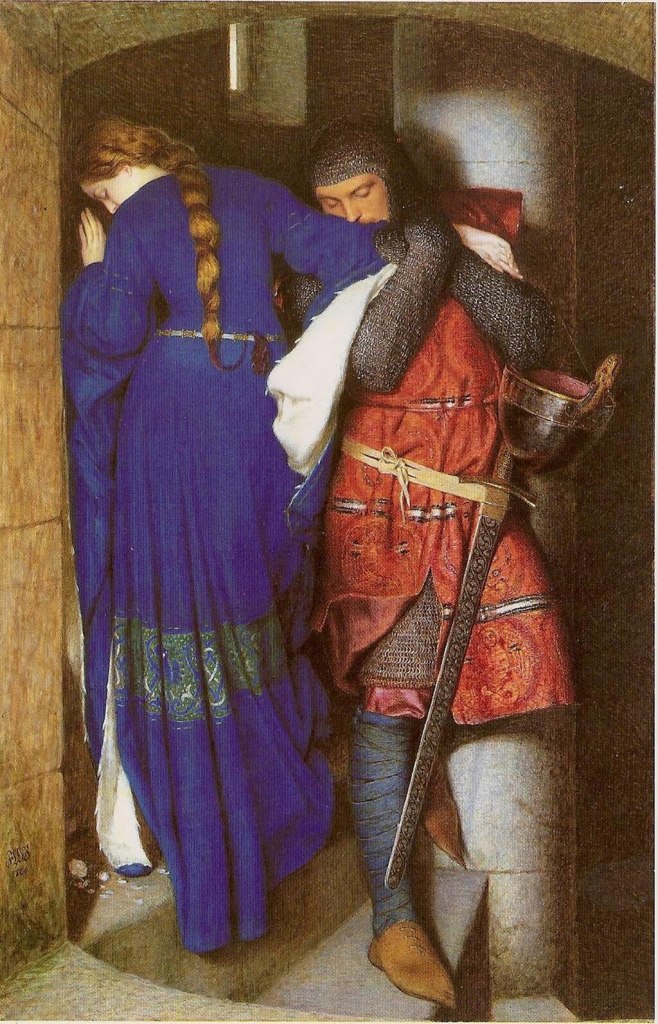
Why the Brontës Hated Jane Austen
Published in The Daily Beast
“It’s a fascinating oddity of literary history that the great Victorian novelist of romantic love, Charlotte Brontë despised that other great British chronicler of love, Jane Austen, and could not quite comprehend why Austen was valued so highly by critics in Brontë’s time…”
“The Can Game”: Personal Essay
Editor’s description: Left pretty much on her own while her mother worked, Susan Ostrov Weisser invented a game, imagining that some catastrophe had occurred, and that she had to save her family from starvation with the cans of cling peaches and tomato soup in the pantry. “The Can Game” was a creative child’s unique way through her sometimes challenging early years, and it’s a great read (with Betty’s Chopped Liver) at Eat, Darling, Eat.
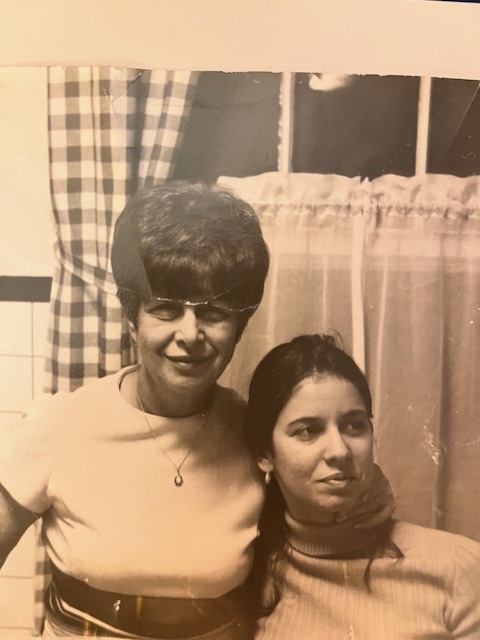

 Susan Ostrov